
Digital Printing vs Offset Printing choosing the right printing method can make a big difference in the quality, cost, and turnaround time of a project. Businesses often choose between digital printing and offset printing, but the best option depends on factors such as order quantity, design requirements, material, and deadline.
Understanding the difference between these two printing methods can help businesses choose a solution that fits their specific needs.
What Is Digital Printing?
Digital printing transfers a digital design directly onto the printing material. It is commonly used for smaller and medium-sized orders where businesses need flexibility and quick production.
Digital printing is suitable for products such as:
- Business Cards
- Flyers
- Brochures
- Stickers
- Labels
- Invitations
- Marketing Materials
- Short-Run Promotional Products
It is particularly useful when a business needs customized materials without requiring a large production quantity.
What Is Offset Printing?
Offset printing uses printing plates to transfer an image onto paper or another material. It is generally more suitable for larger print runs where consistent quality and efficient bulk production are important.
Offset printing can be used for:
- Brochures
- Catalogues
- Business Stationery
- Flyers
- Corporate Materials
- Booklets
- Packaging Materials
- Large Quantity Orders
Digital Printing vs Offset Printing
Both methods have their advantages, but they are designed for different printing requirements.
1.Order Quantity
Digital printing is often a practical choice for smaller quantities.
Offset printing becomes more economical when producing larger quantities because the setup cost can be distributed across many printed pieces.
2.Printing Speed
Digital printing generally requires less setup, making it suitable for projects with shorter deadlines.
Offset printing requires preparation before production begins, but it can efficiently handle large-volume orders once the setup is complete.
3.Customization
Digital printing provides greater flexibility for customized designs and variable information.
For example, businesses can create different versions of marketing materials without changing an entire printing setup.
4.Print Quality
Both digital and offset printing can deliver professional-quality results.
The right choice depends on the design, material, colors, finishing requirements, and overall project specifications.
5.Cost
For smaller orders, digital printing can be more cost-effective because it requires less initial setup.
For high-volume projects, offset printing can become more economical per printed piece.
Which Printing Method Should You Choose?
The best printing method depends on your project.
Choose Digital Printing when you need:
- Smaller quantities
- Faster turnaround
- Customized prints
- Flexible order sizes
- Short-term marketing materials
Choose Offset Printing when you need:
- Large quantities
- Consistent bulk production
- Long print runs
- High-volume business materials
- Cost efficiency at scale
Professional Printing Makes a Difference
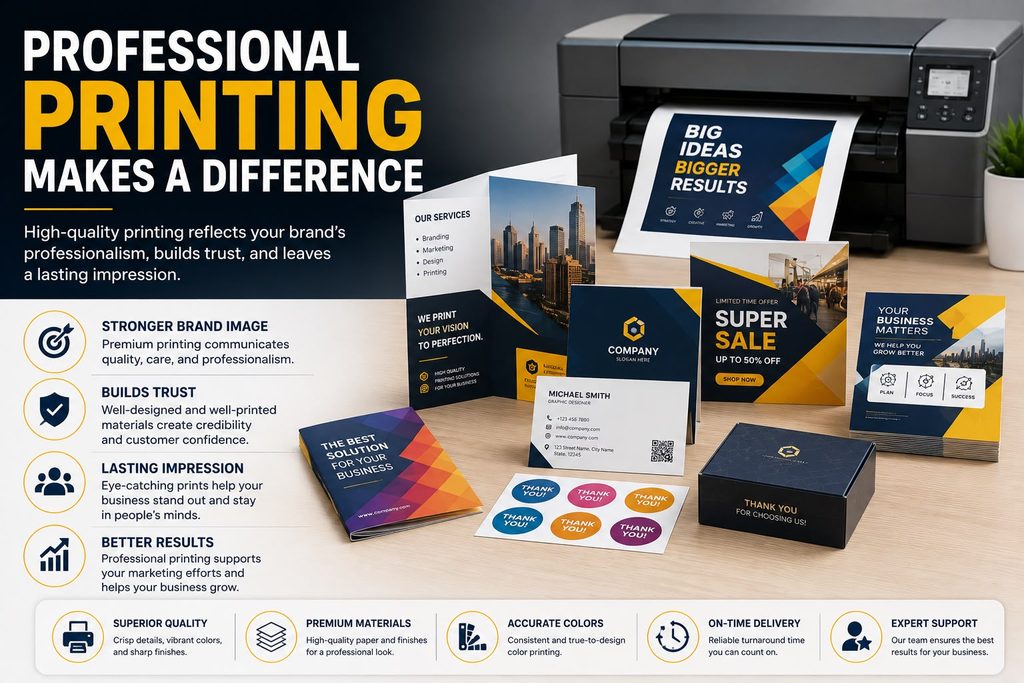
Selecting the right printing method is only one part of achieving a high-quality result.
The paper or material, colors, finishing, artwork, size, and final design can also influence how the finished product looks.
Professional printing support can help businesses choose the appropriate combination based on their project requirements.
Printing for Branding and Business Growth
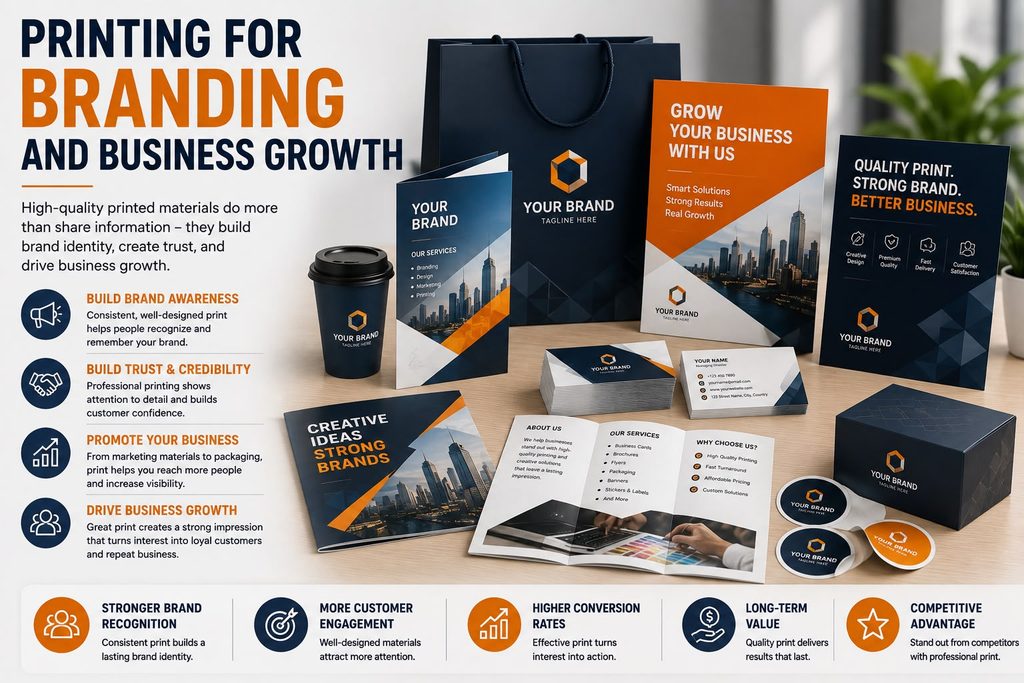
Printed materials are still an important part of business branding. From business cards and brochures to packaging, stickers, stationery, and promotional materials, consistent print design can help businesses maintain a recognizable identity.
Trader’s Junction offers printing and branding solutions covering these areas, including business cards, flyers, brochures, packaging, invitation cards, banners, stickers, stationery, and other customized products.
Conclusion
There is no single printing method that is perfect for every project.
Digital printing is a strong option for flexible, customized, and smaller print orders, while offset printing can be more suitable for high-volume production.
Understanding your quantity, deadline, budget, material, and design requirements can help you select the right printing solution and achieve better results.