
15 Branding Mistakes That Make Small Businesses Look Unprofessional: The Ultimate Guide to Elevating Your Business Identity
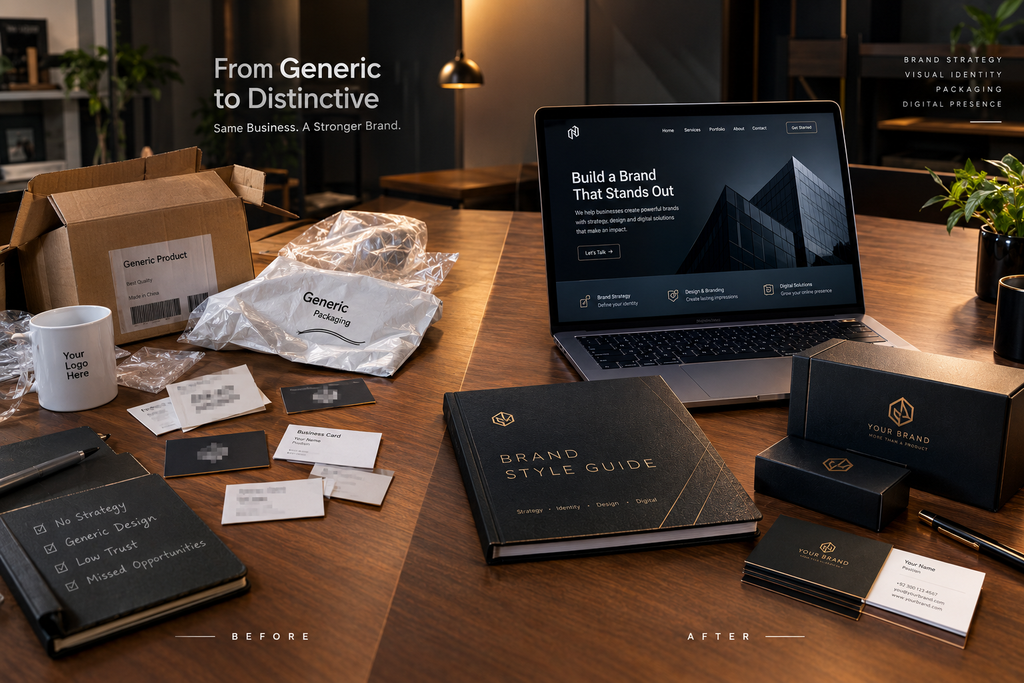
Building a successful small businesses demands far more than just a great product or a reliable service; it requires a polished, trustworthy, and authoritative brand identity. Many business owners unintentionally sabotage their hard work and credibility through overlooked design errors, poor digital execution, and sloppy marketing missteps. When a customer encounters inconsistent visuals, broken website layouts, or generic packaging, doubt sets in immediately.
This comprehensive, in-depth guide breaks down the 15 branding mistakes that make small businesses look unprofessional, exploring the psychology behind why these errors hurt your reputation and providing actionable, step-by-step strategies to fix them once and for all.
1. Inconsistent Visual Branding Across Platforms
When your website features one color palette, your social media channels display an entirely different aesthetic, and your printed collateral uses mismatched typography, customers get confused. Inconsistency destroys brand recognition and signals a lack of operational maturity. Consumers naturally associate visual consistency with reliability; if your small businesses branding changes depending on where they find you, they will question your stability.
- The Impact on Trust: Brand recognition relies heavily on visual repetition. Fragmented design forces the human brain to work harder to process your identity, leading to cognitive fatigue and a higher bounce rate.
- How to Fix It: Establish a strict, comprehensive brand style guide. Define exact hex codes for your primary and secondary colors, select two core typography families, and stick to them rigidly across all digital platforms, social media feeds, and physical touchpoints.
2. Neglecting the Power of High-End Custom Packaging
Shipping your physical products in generic, plain brown cardboard boxes sealed with cheap plastic tape tells your customers that you view their purchase as a mere transaction rather than a memorable experience. In the era of social media unboxing culture, packaging is your final and most intimate direct marketing channel.
- The Impact on Trust: Unboxing psychology dictates that physical presentation drives emotional connection. Subpar packaging communicates cheapness, devaluing the actual product inside before the customer even touches it.
- How to Fix It: Elevate your unboxing process by investing in high-end custom packaging boxes, delicate branded tissue papers, and eye-catching branded stickers. Thoughtful packaging transforms a standard delivery into an unforgettable brand statement that drives repeat sales and organic social sharing.
3. Using Low-Resolution Logos and Pixelated Graphics
A blurry, stretched, or low-resolution logo slapped onto a website header, social media banner, or printed business card instantly turns potential clients away. If you look like you cut corners on your primary visual asset, clients will logically assume you cut corners on your actual work.
- The Impact on Trust: Pixelation is an immediate red flag for amateurism. It suggests a lack of technical competence and attention to detail.
- How to Fix It: Always obtain true vector files (SVG, AI, EPS, or PDF) of your logo from your designer. Vector graphics use mathematical formulas instead of pixels, allowing them to scale infinitely without losing clarity across billboards, websites, and business cards alike.
4. Cluttered and Confusing Website Layouts
If visitors land on your website and cannot figure out what you do, who you serve, and how to buy within three seconds, they will bounce. Overstuffed sidebars, erratic navigation menus, cluttered hero sections, and broken interactive elements frustrate users and tank conversion rates.
- The Impact on Trust: A chaotic website signals a chaotic business. Users equate digital disorganization with poor customer service and unreliable fulfillment.
- How to Fix It: Simplify your site architecture radically. Prioritize clean whitespace, clear and prominent Call-to-Action (CTA) buttons, logical category hierarchies, and a lightning-fast mobile-responsive design.
5. Generic or Cliché Stock Photography
Using overused, fake-smiling stock photos of models in business suits holding hands across a conference table makes your agency or service look entirely inauthentic. Modern consumers possess a high radar for corporate fakery and crave genuine human connection.
- The Impact on Trust: Inauthentic imagery creates an immediate emotional barrier, making your business feel cold, corporate, and untrustworthy.
- How to Fix It: Invest in custom photography showcasing your actual team, physical workspace, and real project milestones. If you must use stock images, choose modern, candid, and diverse visuals that reflect your true brand tone and real-world environment.
6. Ignoring Search Engine Optimization (SEO) Best Practices
Having a visually stunning website is completely useless if organic search traffic cannot find it. Ignoring on-page SEO, missing meta descriptions, poorly structured headings, and failing to target relevant commercial keywords keeps your business buried on page five of search engine results.
- The Impact on Trust: While SEO is technical, invisibility breeds skepticism. Companies that cannot rank or show up online often appear illegitimate or transient to discerning buyers.
- How to Fix It: Conduct thorough keyword research, optimize your title tags, maintain proper heading hierarchies (H1, H2, H3), and publish comprehensive, in-depth content that answers your target audience’s search intent completely.
7. Poorly Designed Print Collateral (Business Cards and Flyers)
Handing out flimsy, pixelated business cards printed on cheap 200 GSM paper communicates desperation and low quality. Print collateral is frequently a client’s first tactile interaction with your brand, setting the tone for the entire business relationship.
- The Impact on Trust: Cheap paper and faded ink cheapen your perceived value. If your physical cards feel disposable, clients will treat your services as disposable.
- How to Fix It: Upgrade your tangible marketing assets immediately. Use premium cardstock (350+ GSM), add soft-touch matte lamination for a luxurious feel, or incorporate elegant tactile finishes like metallic edge foiling and blind embossing to make a lasting physical impression.
8. Lack of a Clear Brand Voice and Messaging Strategy
One day your brand sounds corporate, stiff, and overly formal; the next day it uses slang, excessive emojis, and informal banter. Erratic tone of voice alienates your core demographic and leaves your brand identity formless and confusing.
- The Impact on Trust: Consistency in communication builds psychological safety. When a brand’s voice fluctuates wildly, customers feel like they are dealing with an unstable entity.
- How to Fix It: Define your brand persona formally. Write down three core adjectives that describe how your brand speaks (e.g., authoritative, witty, approachable, technical) and filter all copywriting through that exact filter.
9. Using Free or Generic Email Addresses
Sending client proposals, invoices, or formal inquiries from yourbusinessname@gmail.com or info.company123@yahoo.com screams amateur hour. It signals that your business might be a temporary side hustle, a hobby, or lacking basic operational infrastructure.
- The Impact on Trust: Free email addresses invite security concerns and look entirely unprofessional to corporate clients and high-value consumers.
- How to Fix It: Set up professional custom domain email addresses (e.g.,
support@yourdomain.comorsales@yourdomain.com) via Google Workspace or Microsoft 365 to instantly boost corporate credibility.
10. Neglecting Mobile Responsiveness and Page Speed
More than 60 percent of your web traffic originates from mobile smartphones. If your mobile layout requires horizontal scrolling, features unreadable text sizes, or takes ten seconds to load due to uncompressed media, you are actively throwing away qualified leads.
- The Impact on Trust: Slow mobile speeds frustrate users instantly. In the modern digital landscape, patience is zero, and a slow site equates to an incompetent digital presence.
- How to Fix It: Test your site regularly using tools like Google PageSpeed Insights. Compress all image assets, implement lazy loading, leverage efficient browser caching, and ensure your responsive breakpoints look immaculate on every mobile screen size.
11. Overcomplicating Your Brand Message
Trying to appeal to every single market segment usually results in appealing to no one. If your agency homepage tries to pitch twenty different unrelated services without a clear focal point, website visitors experience choice overload and leave.
- The Impact on Trust: Confusion is the ultimate conversion killer. If people don’t instantly understand what problem you solve, they will look for a competitor who makes it clear.
- How to Fix It: Clarify your core offering. Focus heavily on what you do best, and structure your messaging around the specific pain points you solve for your ideal, high-value clients.
12. Failing to Invest in Professional Graphic Design
Relying on amateur DIY templates or free editing tools without foundational design training often results in misaligned text grids, clashing color schemes, poor kerning, and visually unbalanced compositions.
- The Impact on Trust: Bad design is visually jarring. It creates subconscious friction that makes users uncomfortable interacting with your digital interfaces.
- How to Fix It: Partner with professional graphic designers to build a cohesive visual system, custom vector assets, and polished marketing templates that reflect the true caliber of your products and services.
13. Ignoring Customer Reviews and Social Proof
Hiding your testimonials page, disabling comments, or maintaining an empty review profile makes new buyers intensely hesitant to trust you. Modern consumers rely heavily on peer validation before making financial commitments.
- The Impact on Trust: Total lack of social proof implies that either no one buys from you, or you have something to hide regarding your quality.
- How to Fix It: Actively collect, moderate, and showcase client reviews, case studies, verified purchase ratings, and unboxing User Generated Content (UGC) prominently across your homepage, checkout flow, and product pages.
14. Inconsistent Social Media Activity
Abandoning your social media channels for six straight months, then suddenly posting five promotional flyers in one frantic afternoon looks chaotic, desperate, and unorganized to potential followers scrolling your feed.
- The Impact on Trust: Inactive social feeds suggest that a business might be out of business or struggling financially.
- How to Fix It: Create a realistic, manageable content calendar. Consistent, high-value posting twice a week is infinitely better for audience building than erratic mass-posting sprees followed by radio silence.
15. Treating Branding as a One-Time Task
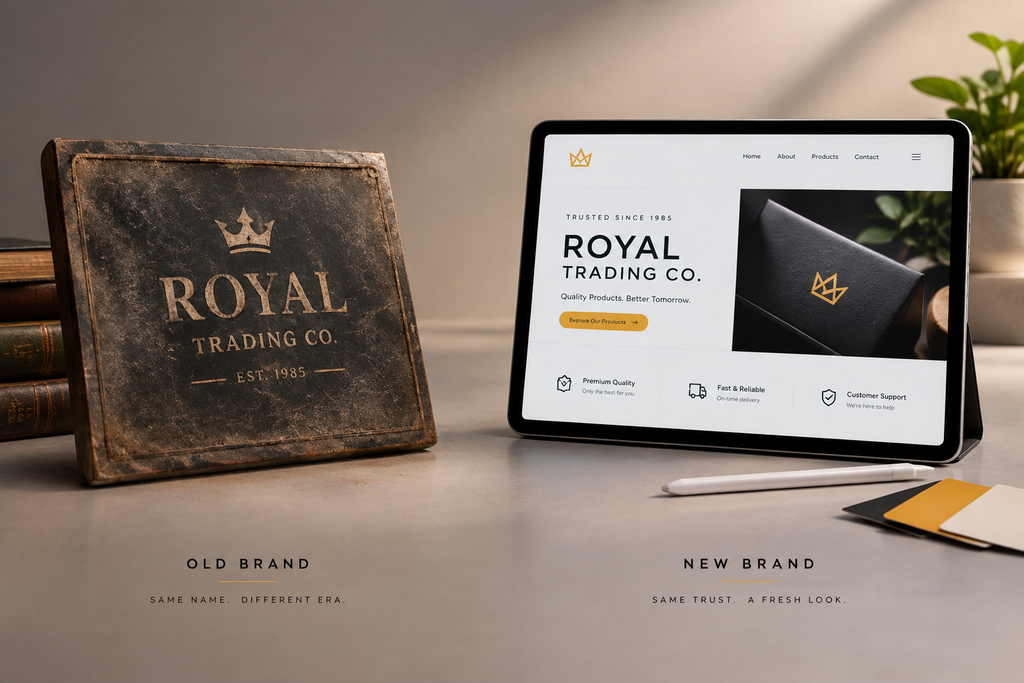
Many business owners design a logo once, check branding off their operational list, and never look at it again for a decade while their market shifts, design trends evolve, and their business model expands.
- The Impact on Trust: Stagnation makes a brand look dated and out of touch with contemporary consumer expectations.
- How to Fix It: Audit your digital assets, website UI, and physical packaging annually. Refresh your visual elements gently, update outdated portfolio pieces, and keep your brand modern, sharp, and intensely competitive.
Conclusion
Eliminating these 15 branding mistakes requires deliberate effort, unwavering attention to detail, and a firm commitment to quality across every single digital and physical touchpoint. By upgrading your web design, refining your messaging, fixing technical bottlenecks, and investing in premium custom packaging and professional visual assets, you position your small business not as a struggling amateur operation, but as a trusted, authoritative industry leader.
Frequently Asked Questions
What are the most common branding mistakes small businesses make?
The most frequent mistakes include maintaining inconsistent visual assets across platforms, using cheap or generic product packaging, ignoring mobile SEO optimization, and relying on unprofessional free email addresses like Gmail or Yahoo.
How does custom packaging improve overall brand perception?
Investing in custom packaging boxes, branded stickers, and delicate tissue papers transforms standard product deliveries into premium unboxing experiences, which significantly drives customer loyalty, perceived value, and repeat sales.
Why is establishing a consistent brand voice important?
A consistent brand voice builds psychological trust and immediate recognition, ensuring your target audience connects seamlessly with your core messaging whether they find you on your website, social media, or print collateral.
How can I make my small business look more established overnight?
You can instantly elevate your credibility by transitioning to custom domain email addresses, investing in high-end vector branding assets, cleaning up your website’s mobile responsiveness, and utilizing premium printed collateral for all client interactions.
How can small businesses avoid common design mistakes?
Small businesses can avoid design errors by establishing strict brand guidelines, utilizing professional vector files for logos, maintaining clean website layouts, and partnering with experienced graphic designers for marketing assets.
Why is mobile optimization critical for brand credibility?
Since the majority of web traffic comes from smartphones, a slow or poorly formatted mobile site signals technical incompetence and frustrates potential clients before they even explore your services.