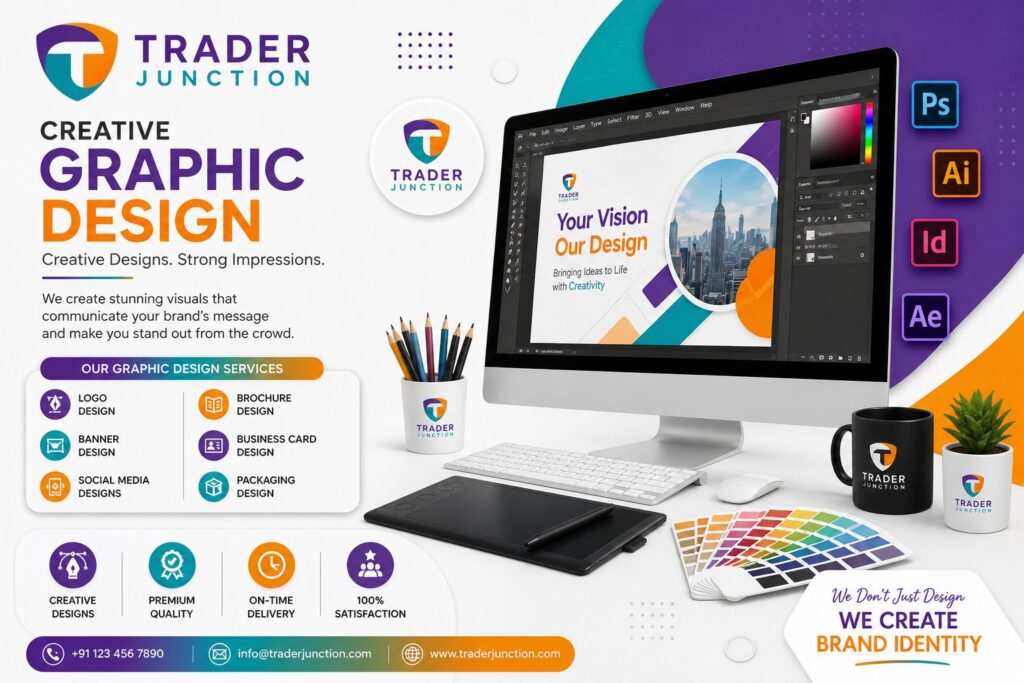
Graphic Design
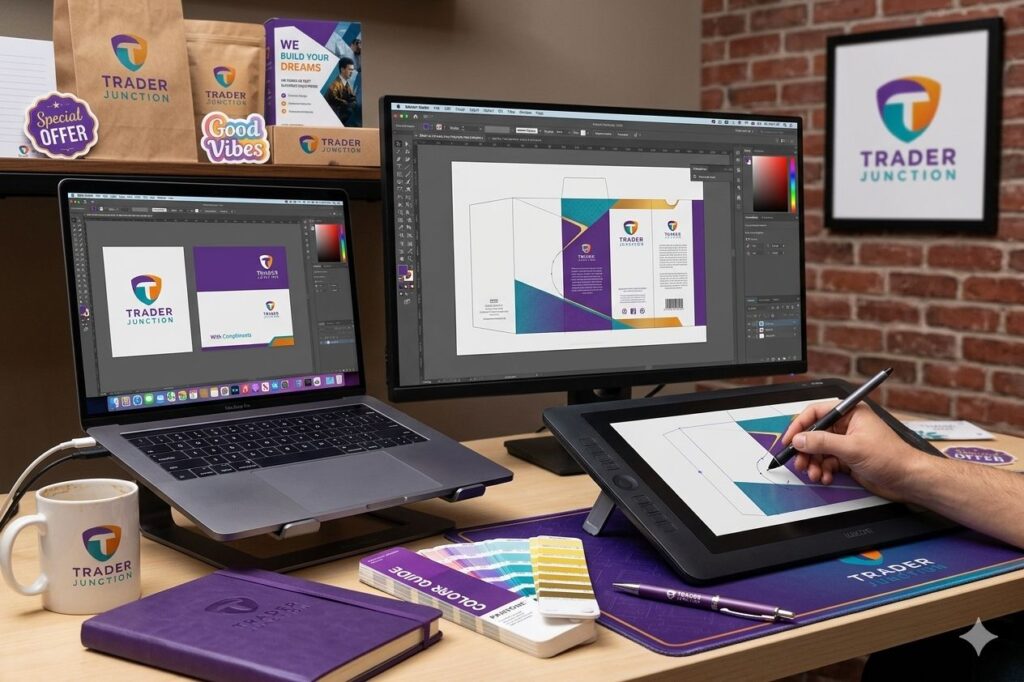
Graphic design
Graphic design is the creative art of visually communicating ideas through typography, imagery, and layout techniques. Furthermore, it is an essential part of modern marketing. It helps brands establish a strong identity and connect with their target audience effectively. From designing a simple logo to creating complex marketing materials, designers use their skills to solve visual problems. By doing so, they transform plain text into engaging visual experiences. Ultimately, this field requires a keen eye for aesthetics and a deep understanding of psychology.
The foundation of graphic design
The foundation of graphic design relies on fundamental elements like lines, shapes, and textures. These elements work together to create harmony. In addition, designers must apply core principles such as balance, contrast, and proximity. For instance, selecting the right color palette can completely change the mood of a design. Consequently, these choices influence how a viewer perceives a brand. Mastering these elements allows designers to guide the viewer’s eye exactly where it needs to go.
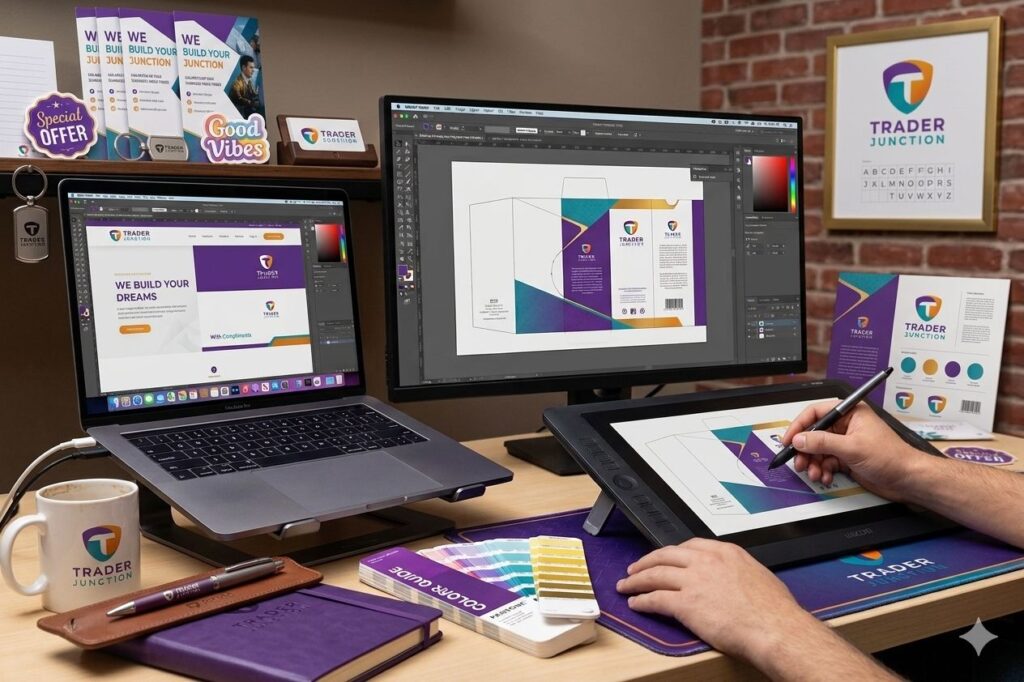
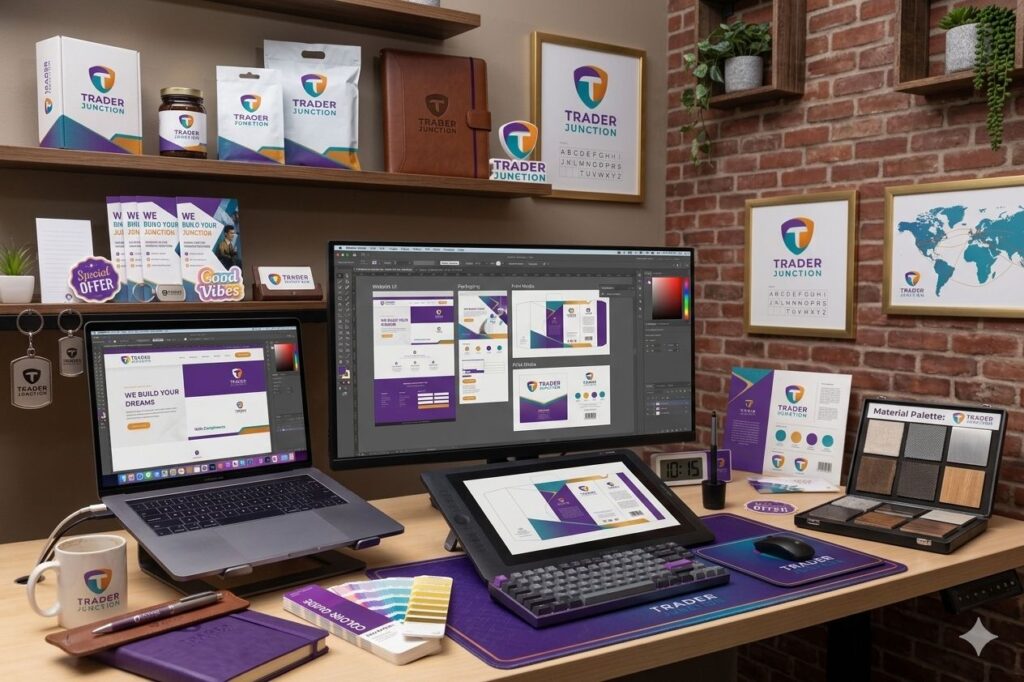
In today’s digital age
In today’s digital age, designers rely on powerful software and hardware. Industry-standard applications like Adobe Photoshop and Illustrator are widely used for photo editing and vector illustration. Moreover, cloud-based tools like Figma and Canva have made collaborative design much more accessible. As a result, teams can now work together in real-time. Staying updated with these evolving tools is crucial for maintaining efficiency and producing professional work.
A career in graphic design
A career in graphic design offers diverse opportunities across various industries. These include advertising, publishing, and digital media. Additionally, professionals can specialize in specific areas like packaging or UI design. However, the rise of digital content means the demand for skilled designers remains incredibly high. Furthermore, the integration of AI tools is reshaping the workflow. This allows designers to automate repetitive tasks and focus more on pure creativity.