
Technical SEO: The Ultimate Checklist to Fix Website Errors and Rank Higher
Achieving top search rankings requires much more than just writing great content or stuffing keywords into your pages. Behind the scenes, search engine crawlers evaluate your website’s backend health, structure, and speed through rigorous practices. Without a solid foundation, even the most well-designed websites can struggle to surface on search engine result pages. Ensuring your digital infrastructure runs smoothly is therefore essential for both search visibility and delivering a seamless user experience using advanced technical SEO methods.
Executive Summary: Why Backend Health Drives Technical SEO Performance
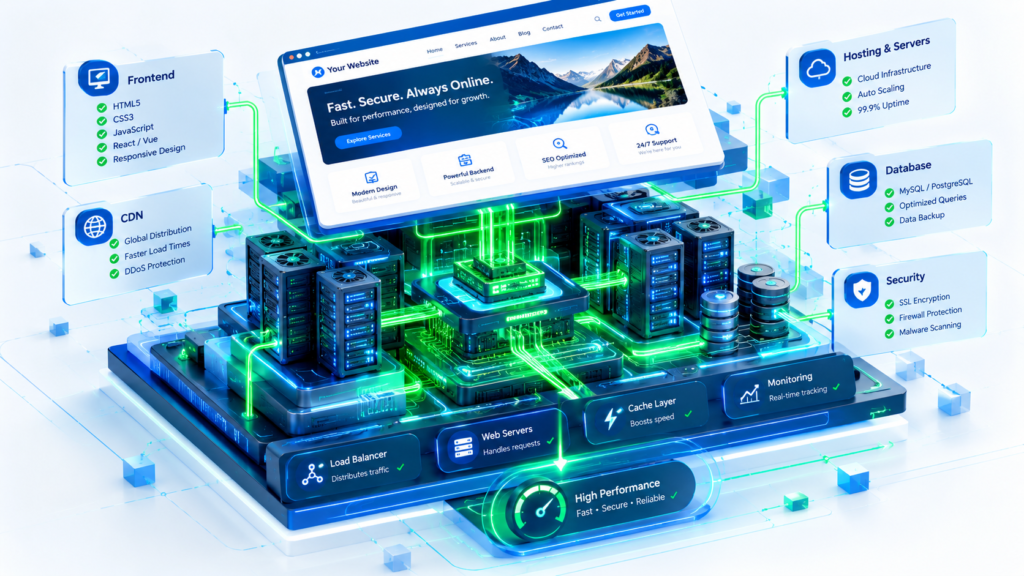
Search engine algorithms prioritize websites that load quickly, display perfectly on mobile devices, and feature clean code architecture. Consequently, the core foundational elements of winning backend strategies include:
- Speed Optimization: Eliminating heavy scripts and boosting load performance.
- Mobile Friendliness: Guaranteeing flawless user experiences across all smartphones.
- Error Prevention: Fixing broken links and resolving crawl issues promptly.
Every comprehensive optimization campaign must prioritize these foundational elements to achieve long-term search success. Furthermore, reviewing your site metrics regularly guarantees sustained growth through effective technical SEO.
Mastering Site Speed and Performance Through Technical SEO
Performance metrics directly influence user retention and search engine indexing. Because slow-loading pages cause immediate visitor drop-offs, they signal low quality to automated web crawlers during routine site audits.
Minimizing Server Response Times and Caching for Technical SEO
First, upgrade your hosting environment and implement browser caching to serve static files instantly. Keeping server latency low thus prevents unexpected traffic drop-offs during peak business hours.
Compressing Images and Script Delivery via Technical Optimization
In addition, optimize heavy graphics and defer non-essential JavaScript execution to accelerate page rendering speeds. Afterward, you will notice significantly improved user engagement scores across your entire domain.
Leveraging Content Delivery Networks for Technical SEO
Meanwhile, distributing your web assets across global server nodes ensures fast delivery regardless of a user’s physical location. Speed optimizations consequently remain a mandatory pillar of modern backend performance.
Ensuring Mobile Responsiveness and UI Design via Technical SEO
Since the vast majority of web traffic originates from handheld devices, mobile optimization is a mandatory checkbox on any digital task list.
Adopting Fluid Layouts and Flexible Grids for Technical SEO
For instance, structure your page elements using modern CSS layouts that automatically scale across varying screen dimensions. Responsive design therefore keeps mobile users engaged much longer.
Optimizing Tap Targets and Font Scaling via Technical Optimization
Furthermore, ensure buttons and navigation links feature adequate spacing to prevent accidental clicks on touchscreens. Clear formatting additionally enhances overall mobile readability.
Fixing Broken Links and Eliminating Crawl Errors

Broken links frustrate visitors and waste valuable search engine crawl budget, making error management a critical component of healthy site architecture.
Conducting Regular Internal Link Audits for Technical SEO
Naturally, scan your website routinely to identify and redirect dead pages or outdated resource links. Preventing dead ends ultimately builds stronger algorithmic trust.
Implementing Custom 404 Error Pages via Technical Optimization
Redirecting lost visitors gracefully via helpful navigation menus ensures they stay on your domain rather than bouncing away entirely. Your overall session duration consequently improves steadily over time.
Implementing Schema Markup for Rich Snippets
Structured data gives search engines precise context regarding your business operations, products, and location data.
Adding Organization and Local Business Data for Technical SEO
Proactively inject JSON-LD schema markup into your header files to clarify your entity details to web crawlers. Structured data thereby signals active business operations to search engines.
Enhancing Product and Review Rich Results via Technical Optimization
Highlighting item ratings and service offerings through structured code increases your chances of capturing prominent visual space in search results. Clear backend structure thus maximizes click-through rates.
The Importance of Ongoing Performance Monitoring
Furthermore, investing time into ongoing performance monitoring helps you catch hidden backend issues before they impact your search engine rankings. Many website owners overlook routine maintenance once their initial launch is complete; however, neglecting regular checks can lead to sudden drops in organic traffic. Consequently, setting up automated alerts for server downtime or broken components ensures your platform remains resilient against algorithmic shifts.
Leveraging Professional Agency Support
In addition, partnering with a professional digital agency like Traders Junction can streamline your entire optimization workflow. Managing complex backend structures, site speed enhancements, and schema markup requires specialized expertise that can pull focus away from your core business operations. Therefore, delegating these advanced tasks to experienced professionals guarantees that your digital assets achieve maximum visibility and long-term search growth without unnecessary stress.
Building a Long-Term Growth Strategy
Ultimately, combining a robust web development foundation with disciplined technical SEO practices creates a powerful recipe for online success. As search engines continue to evolve, staying proactive with your digital strategy will keep your brand ahead of competitors and directly attract high-intent customers to your services.
The Role of Competitor Analysis in Backend Audits

Moreover, conducting regular competitive research allows you to benchmark your website performance against industry leaders. By examining rival platforms through a detailed technical SEO lens, you can uncover hidden speed bottlenecks, missing schema types, or structural flaws that they might be struggling with. Consequently, leveraging these insights helps you outperform competitors and capture valuable organic search traffic within your niche.
Aligning Development and Design for Better Indexing
Furthermore, bridging the gap between creative graphic design and backend functionality ensures your pages remain lightning-fast. Heavy visual assets and unoptimized media files often drag down site speed scores, which directly frustrates search engine crawlers. Therefore, implementing proper asset compression and responsive layouts keeps your digital portfolio visually stunning while remaining fully optimized for search engines.
Future-Proofing Your Digital Infrastructure
Ultimately, maintaining a proactive approach to website maintenance safeguards your online presence against future search algorithm updates. Technology and ranking factors shift constantly; however, establishing solid technical SEO habits protects your digital investments. Staying ahead of these backend requirements ensures continuous growth and long-term brand authority for your business.
Tracking Key Metrics and Analytics Data
Additionally, monitoring your search console data regularly reveals how efficiently search engine bots crawl your web pages. Reviewing crawl stats and index coverage reports helps you identify hidden errors before they affect your visibility. Consequently, taking immediate action on these insights prevents minor backend glitches from turning into major traffic drops.
Enhancing User Experience Through Core Web Vitals
Furthermore, optimizing your core web vitals directly improves user satisfaction by reducing frustrating layout shifts and delays. Visitors tend to abandon slow or unstable pages instantly, which increases your bounce rate and signals poor quality to crawlers. Therefore, prioritizing seamless performance through disciplined technical SEO ensures higher engagement and better conversion rates.
Maximizing ROI from Your Digital Assets
Ultimately, treating your website as an evolving digital asset rather than a one-time project drives continuous business growth. Consistent upkeep, structured data updates, and thorough error checks compound over time to build lasting organic authority. Staying dedicated to these backend practices guarantees that your brand consistently captures high-intent leads from search engines.
Overcoming Common WordPress and CMS Backend Hurdles

Moreover, managing popular content management systems often introduces hidden plugin conflicts and bloated code that slow down your pages. Many business owners install multiple plugins without realizing the heavy toll it takes on server response times. Consequently, performing a thorough plugin audit and removing redundant scripts is a vital part of maintaining a healthy digital infrastructure.
Leveraging Caching and Content Delivery Networks
Furthermore, implementing advanced server-side caching mechanisms drastically cuts down page load times for returning visitors. When combined with a reliable global content distribution network, your website can serve media files instantly regardless of geographical distance. Therefore, setting up these caching layers is an indispensable step for modern backend performance.
Securing Your Website Against Vulnerabilities
Additionally, protecting your backend environment from malicious bots and security vulnerabilities prevents unexpected downtime that ruins search engine rankings. Search algorithms penalize unsecured or compromised sites by dropping them from index results entirely. Hence, maintaining robust SSL certificates, firewall protections, and regular software updates safeguards your online reputation.
Optimizing Internal Linking Structures for Crawlers
Furthermore, establishing a logical internal link hierarchy helps search bots discover and index your deepest service pages with ease. Orphaned pages that lack inbound links often get ignored by crawlers, wasting valuable ranking potential. Therefore, mapping out a clean navigational flow ensures maximum link equity distribution across your entire domain.
Scaling Your Digital Presence for Long-Term Success
Ultimately, building a scalable and error-free digital foundation allows your business to expand online without technical roadblocks. As your service offerings and product lines grow, keeping your website optimized through rigorous technical SEO ensures that your brand continues to dominate search results and attract high-quality leads effortlessly.
Conclusion
Implementing a comprehensive optimization plan using effective technical SEO ensures that your website remains fast, error-free, and fully accessible to search engines and potential customers alike.
Frequently Asked Questions
What is the most critical item for backend optimization success?
Improving site speed and resolving core web vitals errors are universally recognized as the most impactful steps for backend search performance.
How often should a site audit be performed?
Most growing businesses should run comprehensive site audits at least once every quarter to catch broken links and speed bottlenecks early.
To dive deeper into the coding practices that accelerate page rendering, you can explore MDN’s comprehensive guide on web performance optimization.