Uncategorized

business website cost 2026 pricing guide and budget planning setup
Uncategorized

business website cost 2026: Complete Pricing Guide for Brands

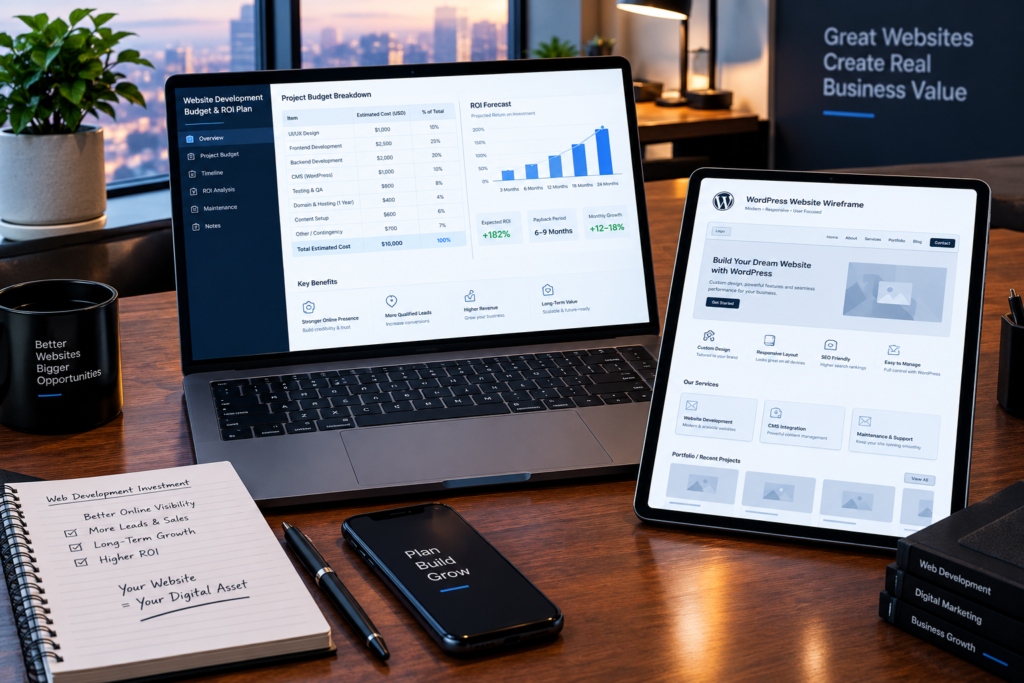
How Much Does a Business Website Cost in 2026? A Complete Pricing Guide Establishing a strong online footprint requires understanding what a business website cost 2026 entails for your brand. Whether you run a local enterprise or a digital agency like Traders Junction, budgeting accurately is critical for long-term success. Evaluating a business website cost 2026 helps business owners avoid unexpected financial surprises during development and design phases. 1. Executive Summary: What to Expect in 2026 Analyzing the general business website cost shows that pricing shifts based on modern technologies, AI integrations, and custom architecture. Every business website cost 2026 estimate depends on specific functional demands and performance standards. 2. Core Factors That Determine Website Expenses When calculating the business website cost 2026, design complexity remains a primary driver of overall development hours. 2.1 Design Complexity and UI/UX Requirements Template layouts keep the business website cost low, whereas custom user interfaces require intricate wireframing and responsive testing. 2.2 Functionality and Feature Requirements Advanced database queries, membership portals, and custom calculators directly increase the total business website cost for growing brands. 2.3 Content Creation and SEO Architecture Professional copywriting and technical setup add measurable value to the final business website cost projection sheet. 3. Breakdown of Expenses by Platform Type Platform selection heavily influences the baseline business website cost for startup founders and corporate managers alike. 3.1 DIY and Low-Code Builders Using drag-and-drop platforms keeps initial business website cost numbers minimal, though monthly subscription fees accumulate over time. 3.2 Professional WordPress & WooCommerce Sites Investing in robust CMS platforms balances flexibility and control within a moderate business website cost budget range. 3.3 Custom-Coded Enterprise Web Solutions High-performance frameworks like React or Next.js elevate the business website cost due to specialized developer requirements. 4. Hidden and Ongoing Financial Factors Post-launch maintenance ensures that your business website cost calculation accounts for long-term digital sustainability. 4.1 Domain Registration and SSL Certificates Annual domain renewals form a minor recurring part of your cumulative business website cost tracking. 4.2 High-Performance Web Hosting Secure cloud servers protect your uptime and factor directly into ongoing business website cost allocations. 4.3 Maintenance, Security, and Plugins Regular updates and firewall management preserve the value behind your initial business website cost investment. 5. How to Choose the Right Development Partner Evaluating portfolios carefully ensures that your approved business website cost translates into high-converting digital assets. 5.1 Evaluating Portfolios and Case Studies Reviewing past developer projects guarantees that your business website cost budget yields modern, lightning-fast layouts. 5.2 Clarifying Deliverables and Code Ownershi Securing full source code ownership protects the ROI tied to your overall business website cost. Conclusion Navigating a business website cost successfully requires balancing upfront design expenses with long-term digital growth strategies. Frequently Asked Questions What drives the overall business website cost 2026? The total business website cost is primarily driven by design complexity, functional requirements, and platform selection. Are there hidden fees affecting the business website cost 2026? Yes, recurring expenses like hosting, SSL renewals, and security plugins impact your yearly business website cost planning.
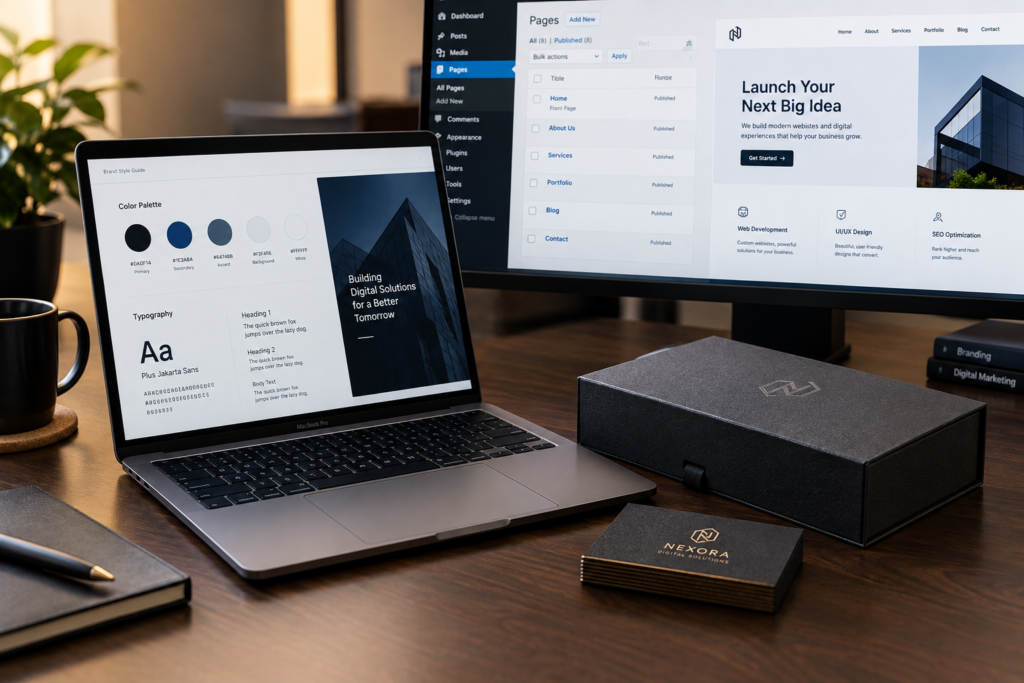
A professional small business branding setup featuring custom packaging, consistent design, and a polished website
Uncategorized

Small Businesses Branding Mistakes Make: Complete Guide

15 Branding Mistakes That Make Small Businesses Look Unprofessional: The Ultimate Guide to Elevating Your Business Identity Building a successful small businesses demands far more than just a great product or a reliable service; it requires a polished, trustworthy, and authoritative brand identity. Many business owners unintentionally sabotage their hard work and credibility through overlooked design errors, poor digital execution, and sloppy marketing missteps. When a customer encounters inconsistent visuals, broken website layouts, or generic packaging, doubt sets in immediately. This comprehensive, in-depth guide breaks down the 15 branding mistakes that make small businesses look unprofessional, exploring the psychology behind why these errors hurt your reputation and providing actionable, step-by-step strategies to fix them once and for all. 1. Inconsistent Visual Branding Across Platforms When your website features one color palette, your social media channels display an entirely different aesthetic, and your printed collateral uses mismatched typography, customers get confused. Inconsistency destroys brand recognition and signals a lack of operational maturity. Consumers naturally associate visual consistency with reliability; if your small businesses branding changes depending on where they find you, they will question your stability. 2. Neglecting the Power of High-End Custom Packaging Shipping your physical products in generic, plain brown cardboard boxes sealed with cheap plastic tape tells your customers that you view their purchase as a mere transaction rather than a memorable experience. In the era of social media unboxing culture, packaging is your final and most intimate direct marketing channel. 3. Using Low-Resolution Logos and Pixelated Graphics A blurry, stretched, or low-resolution logo slapped onto a website header, social media banner, or printed business card instantly turns potential clients away. If you look like you cut corners on your primary visual asset, clients will logically assume you cut corners on your actual work. 4. Cluttered and Confusing Website Layouts If visitors land on your website and cannot figure out what you do, who you serve, and how to buy within three seconds, they will bounce. Overstuffed sidebars, erratic navigation menus, cluttered hero sections, and broken interactive elements frustrate users and tank conversion rates. 5. Generic or Cliché Stock Photography Using overused, fake-smiling stock photos of models in business suits holding hands across a conference table makes your agency or service look entirely inauthentic. Modern consumers possess a high radar for corporate fakery and crave genuine human connection. 6. Ignoring Search Engine Optimization (SEO) Best Practices Having a visually stunning website is completely useless if organic search traffic cannot find it. Ignoring on-page SEO, missing meta descriptions, poorly structured headings, and failing to target relevant commercial keywords keeps your business buried on page five of search engine results. 7. Poorly Designed Print Collateral (Business Cards and Flyers) Handing out flimsy, pixelated business cards printed on cheap 200 GSM paper communicates desperation and low quality. Print collateral is frequently a client’s first tactile interaction with your brand, setting the tone for the entire business relationship. 8. Lack of a Clear Brand Voice and Messaging Strategy One day your brand sounds corporate, stiff, and overly formal; the next day it uses slang, excessive emojis, and informal banter. Erratic tone of voice alienates your core demographic and leaves your brand identity formless and confusing. 9. Using Free or Generic Email Addresses Sending client proposals, invoices, or formal inquiries from yourbusinessname@gmail.com or info.company123@yahoo.com screams amateur hour. It signals that your business might be a temporary side hustle, a hobby, or lacking basic operational infrastructure. 10. Neglecting Mobile Responsiveness and Page Speed More than 60 percent of your web traffic originates from mobile smartphones. If your mobile layout requires horizontal scrolling, features unreadable text sizes, or takes ten seconds to load due to uncompressed media, you are actively throwing away qualified leads. 11. Overcomplicating Your Brand Message Trying to appeal to every single market segment usually results in appealing to no one. If your agency homepage tries to pitch twenty different unrelated services without a clear focal point, website visitors experience choice overload and leave. 12. Failing to Invest in Professional Graphic Design Relying on amateur DIY templates or free editing tools without foundational design training often results in misaligned text grids, clashing color schemes, poor kerning, and visually unbalanced compositions. 13. Ignoring Customer Reviews and Social Proof Hiding your testimonials page, disabling comments, or maintaining an empty review profile makes new buyers intensely hesitant to trust you. Modern consumers rely heavily on peer validation before making financial commitments. 14. Inconsistent Social Media Activity Abandoning your social media channels for six straight months, then suddenly posting five promotional flyers in one frantic afternoon looks chaotic, desperate, and unorganized to potential followers scrolling your feed. 15. Treating Branding as a One-Time Task Many business owners design a logo once, check branding off their operational list, and never look at it again for a decade while their market shifts, design trends evolve, and their business model expands. Conclusion Eliminating these 15 branding mistakes requires deliberate effort, unwavering attention to detail, and a firm commitment to quality across every single digital and physical touchpoint. By upgrading your web design, refining your messaging, fixing technical bottlenecks, and investing in premium custom packaging and professional visual assets, you position your small business not as a struggling amateur operation, but as a trusted, authoritative industry leader. Frequently Asked Questions What are the most common branding mistakes small businesses make? The most frequent mistakes include maintaining inconsistent visual assets across platforms, using cheap or generic product packaging, ignoring mobile SEO optimization, and relying on unprofessional free email addresses like Gmail or Yahoo. How does custom packaging improve overall brand perception? Investing in custom packaging boxes, branded stickers, and delicate tissue papers transforms standard product deliveries into premium unboxing experiences, which significantly drives customer loyalty, perceived value, and repeat sales. Why is establishing a consistent brand voice important? A consistent brand voice builds psychological trust and immediate recognition, ensuring your target audience connects seamlessly with your core messaging whether they find you on your website, social media, or print collateral.

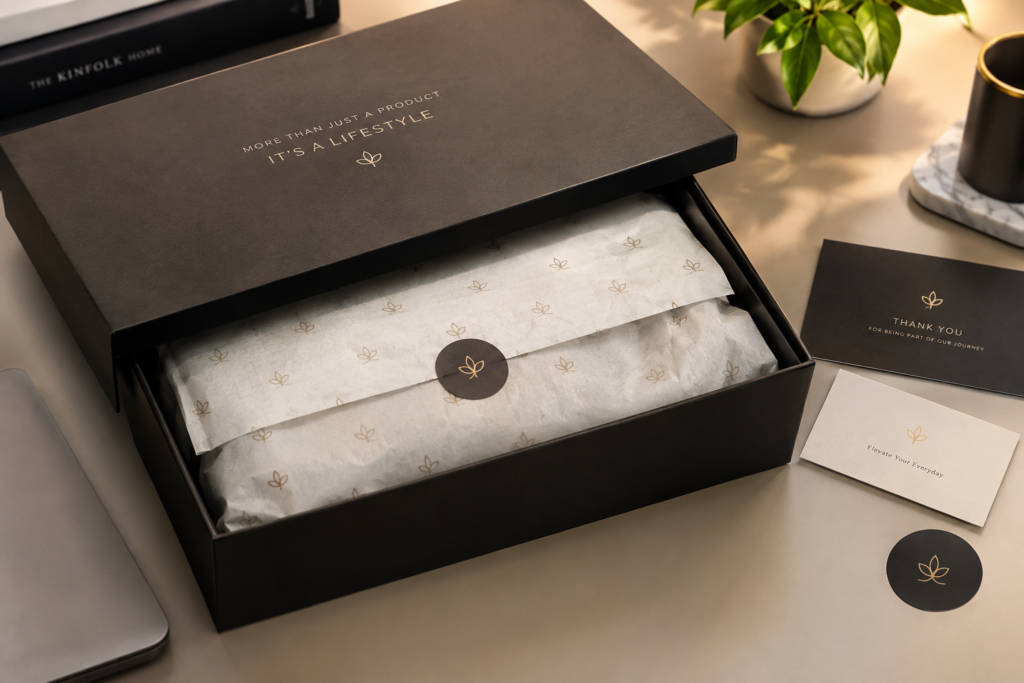
E-commerce unboxing experience showcasing custom packaging boxes, tissue papers, and branded stickers
Uncategorized

Unboxing Experience: 5 Proven Ways to Boost E-Commerce Sales

From Screen to Box: How Unboxing Experiences Drive Repeat E-Commerce Sales Introduction: Why the Physical Delivery Matters More Than Ever In the hyper-competitive world of modern digital commerce, store owners spend thousands of dollars optimizing their online storefronts. They invest heavily in high-speed web development, sleek user interfaces, targeted search engine optimization, and paid acquisition campaigns to capture initial traffic. However, many brands completely overlook the most critical touchpoint in the entire customer journey: the physical delivery. When a consumer finally receives their package at their doorstep, the digital transaction transforms into a tangible, sensory reality. This exact moment—the unboxing experience—holds the psychological key to customer retention, brand advocacy, and repeat purchases. If your e-commerce packaging consists of a plain brown cardboard box secured with generic packing tape, you are missing a massive branding opportunity. Modern consumers expect more than just a product; they demand a curated narrative from the moment the delivery driver drops off the parcel. The Psychology Behind the Unboxing Experience Human psychology is deeply tied to anticipation, sensory engagement, and tactile discovery. When an online shopper orders a product, a psychological loop of excitement begins. The physical arrival of the package triggers a dopamine release, and every memorable unboxing experience acts as the grand finale of the purchasing journey. By engineering this physical interaction carefully, e-commerce brands can turn casual first-time buyers into loyal brand advocates who actively share their purchases across social media platforms. Strategic Elements of High-Converting E-Commerce Packaging Designing an unforgettable unboxing experience requires a deliberate mix of custom print assets and structural packaging choices. Every single layer of your package should serve a specific psychological and functional purpose. 1. Custom Outer Packaging Boxes and Mailers The outer box is your brand’s physical billboard. Instead of utilizing generic, unbranded brown containers, businesses should invest in custom printed boxes or custom mailer pouches that feature bold logos, brand color palettes, and clean graphic design elements. When a package stands out on a crowded porch, it immediately catches the recipient’s attention and sets a professional tone. 2. Inner Layer Protection and Tissue Papers Once the outer box is opened, the internal presentation dictates the next wave of emotion. Layering products inside custom printed tissue paper creates a sense of unveiling a gift. It adds an element of suspense while simultaneously protecting the merchandise during transit, ensuring the ultimate unboxing experience upon arrival. 3. Branded Stickers and Secure Seals Custom stickers serve a dual purpose in packaging logistics. Functionally, they can act as secure tamper-evident seals to close tissue paper or secure product bundles. Aesthetically, they provide an affordable yet high-impact canvas to display social media handles, QR codes, or brand slogans, driving digital re-engagement straight from the physical box. 4. Inserts, Note Cards, and Thank-You Notes A personalized touch changes the dynamic from a corporate transaction to a human-to-human connection. Including embossed business cards, handwritten thank-you notes, or detailed care instruction cards bridges the gap between digital web platforms and real-world customer appreciation. Integrating Digital Brand Identity with Physical Print Assets For growing brands and digital agencies, maintaining a seamless bridge between online aesthetics and offline presentation is vital. If your website features high-end web development, sleek minimalism, and sophisticated graphic design, your physical packaging must reflect those exact same visual standards. Disconnects between a luxury digital storefront and cheap, careless physical packaging can trigger cognitive dissonance in the consumer, lowering trust and ruining the unboxing experience. Measuring the ROI of Premium Packaging and Unboxing Investments Many business owners hesitate to invest in custom packaging because they view it purely as an operational expense rather than a revenue-generating asset. However, when tracked correctly through long-term telemetry, the return on investment (ROI) becomes undeniable. Step-by-Step Guide to Designing Your Next Unboxing Workflow Upgrading your e-commerce packaging strategy does not happen overnight. It requires a structured, multi-step rollout to ensure both operational efficiency and visual perfection: Conclusion: Turning Every Delivery Into a Growth Engine The transition from digital browsing to physical delivery represents the ultimate frontier for modern e-commerce brands. By treating every customer’s unboxing experience not as an afterthought, but as an integral extension of your digital agency’s branding, web strategy, and customer acquisition funnel, you unlock powerful new avenues for growth. Investing in premium packaging boxes, custom tissue papers, and thoughtful print inserts transforms routine shipments into memorable brand interactions. Future-proof your e-commerce business today by aligning your physical presentation with your digital excellence, securing long-term customer loyalty and sustainable revenue expansion.

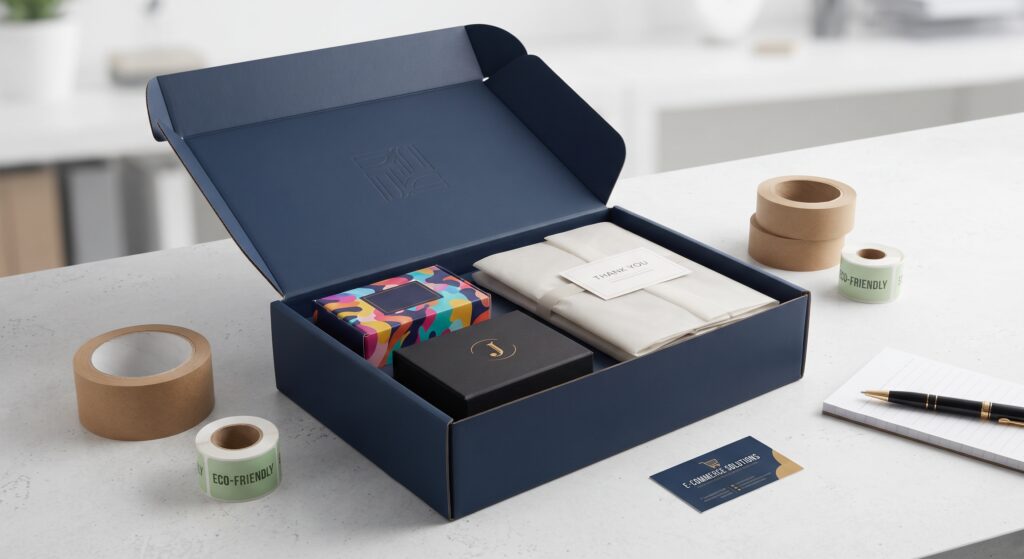
Custom navy blue ecommerce packaging box with branded tape and tissue paper on a clean white desk.
Uncategorized

Custom Packaging Boxes: Scale Your Brand & Boost Sales | Traders Junction

In today’s hyper-competitive digital marketplace, acquiring a customer is only half the battle won. Custom packaging boxes play an indispensable role right from the moment a delivery arrives at a customer’s doorstep, turning a standard physical touchpoint into your brand’s most powerful marketing channel. However, when packages pile up on doorsteps, generic brown cardboard containers do very little to build lasting brand recall or excitement. Therefore, forward-thinking retail brands are rapidly shifting toward tailored solutions to stand out from the crowd. From secure logistics to unforgettable unboxing experiences, investing in bespoke containers is no longer just an optional luxury—it has become a core operational strategy for modern retail and e-commerce growth. Furthermore, building a recognizable brand requires consistency across every single customer interaction. When shoppers receive their orders, the physical container acts as the physical embodiment of your online store’s quality. If the presentation feels cheap or careless, it directly diminishes the perceived value of the product inside. Conversely, tailored exterior styling combined with thoughtful interior layouts instantly elevates your market positioning, encourages repeat purchases, and builds long-term organic advocacy without requiring massive advertising budgets. Why Standard Brown Boxes Are Hurting Your Brand Relying entirely on generic, off-the-shelf packaging might save a few pennies upfront during initial fulfillment, but it costs dearly in customer perception, shipping damage rates, and long-term retention. The Direct Business Benefits of Custom Packaging Transitioning to tailored containers yields measurable financial returns across multiple operational facets of your business. Additionally, it effectively transforms a routine shipping expense into a high-impact marketing investment. 1. Enhanced Product Safety and Dimensional Fit Bespoke boxes are engineered precisely to match your exact product specifications. This tight structural tolerance reduces the need for excessive bubble wrap or loose packing peanuts, minimizes dimensional weight shipping fees, and guarantees that merchandise arrives completely intact. 2. Amplified Unboxing Experience Modern social media platforms thrive on aesthetic visuals, creator unboxings, and video reveals. High-end printing finishes, custom inserts, and branded tissue paper create a memorable ritual for the buyer, driving user-generated content and organic promotion. 3. Professional Trust and Brand Authority Enterprise clients and discerning retail buyers always look for meticulous attention to detail. Premium packaging signals institutional reliability, making your enterprise look fully established, highly trustworthy, and premium from the very first second. Essential Features to Include in Your Custom Packaging Strategy How to Choose the Right Box Size for Your Product Selecting correct structural dimensions is just as critical as choosing the right external print finish. When planning your containers, evaluate these practical specifications to optimize both freight costs and visual appeal: Conclusion Ultimately, your packaging acts as a silent salesperson working diligently long after the online transaction is complete. Moreover, upgrading from basic generic containers to tailored boxes safeguards your physical merchandise while building deep emotional connections with your buyers. Ready to elevate your product presentation? Explore the professional custom packaging and printing solutions at Traders Junction to design boxes that protect your products and scale your brand presence effectively.

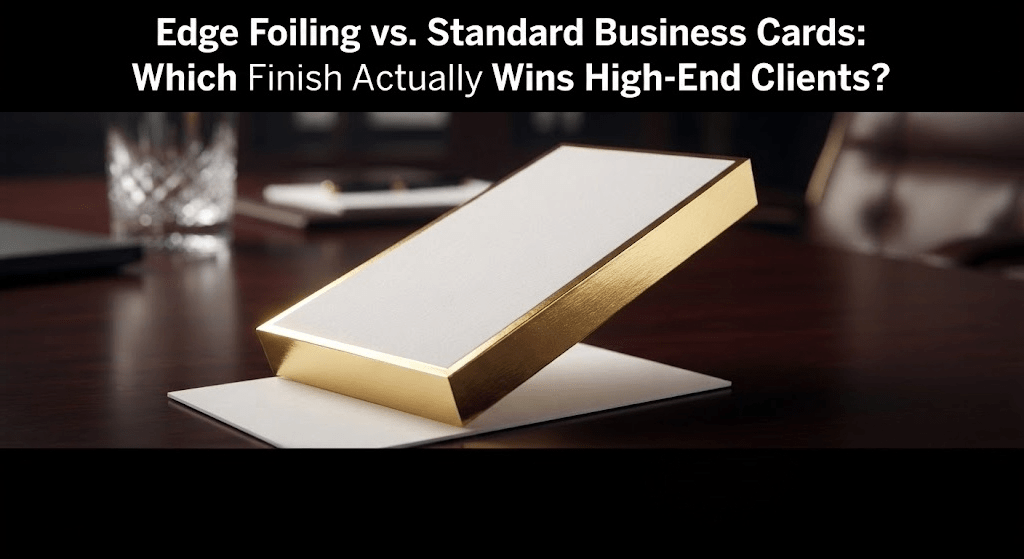
A high-end studio shot comparing edge-foiled business cards with standard cards on a luxurious executive desk, illustrating the theme of winning high-end clients.
Uncategorized

Edge Foiling Business Cards: Do They Win High-End Clients?

When you want to impress elite clientele with edge foiling business cards, first impressions happen in fractions of a second. When you slide a card across a boardroom table or hand it to a prospective investor at an exclusive networking event, that tiny piece of cardstock speaks volumes before you even utter a single word. For entrepreneurs, luxury real estate agents, corporate consultants, and high-end agency owners, a standard, flimsy business card simply won’t cut it. When competing for high-net-worth clients, every detail of your brand identity must radiate exclusivity, precision, and quality. Two major contenders battle for attention in the corporate networking world: standard business cards and edge-foiling business cards. If you want to win over elite clientele, which finish actually delivers? Let’s break down the psychology, aesthetics, and practical impacts of both choices to see which one deserves a spot in your cardholder. Understanding Edge Foiling Business Cards vs. Standard Options The Psychology of First Impressions with High-End Clients High-end clients—whether luxury buyers, C-suite executives, or high-end investors—are accustomed to dealing with quality. They subconsciously evaluate your brand through tactile and visual cues. Edge Foiling vs. Standard Business Cards: Direct Comparison Feature Standard Business Cards Edge Foiling Business Cards Card Thickness Standard (300–400 GSM) Ultra-Thick / Premium (600+ GSM) Visual Impact Clean, traditional, corporate-standard Luxurious, eye-catching, dimensional Durability Prone to bent corners and wear over time Rigid, highly durable, resistant to fraying Client Perception Approachable, budget-friendly, mass-appeal Exclusive, professional, high-authority Best Used For Large-scale networking, everyday flyers, casual meetups C-suite meetings, luxury branding, elite B2B sales Why Edge Foiling Wins Over High-End Clients When you are pitching a high-ticket service or a luxury product, your marketing collateral must match your pricing structure. Handing a cheap, thin card to a client you are charging thousands of dollars creates a subtle psychological disconnect. When Are Standard Business Cards Still Useful? To be fair, standard business cards have their place. If your business relies on high-volume distribution—such as retail counters, food delivery packaging inserts, or mass-market local flyers—printing thousands of standard cards is practical and economical. But for direct, face-to-face high-end networking, they lack the competitive edge. Conclusion Your business card is a physical extension of your brand equity. While standard business cards get the basic job done, edge-foiling business cards act as a silent closer, instantly elevating your perceived value before you pitch a single idea. If your goal is to close high-end clients, upgrading your print finish is one of the highest-ROI investments you can make for your brand identity. Ready to make a lasting impression? Explore premium custom printing solutions at Traders Junction to design business cards that command respect in any room.

Premium Paper
Uncategorized

Premium Paper Choice Can Improve Your Brand Image

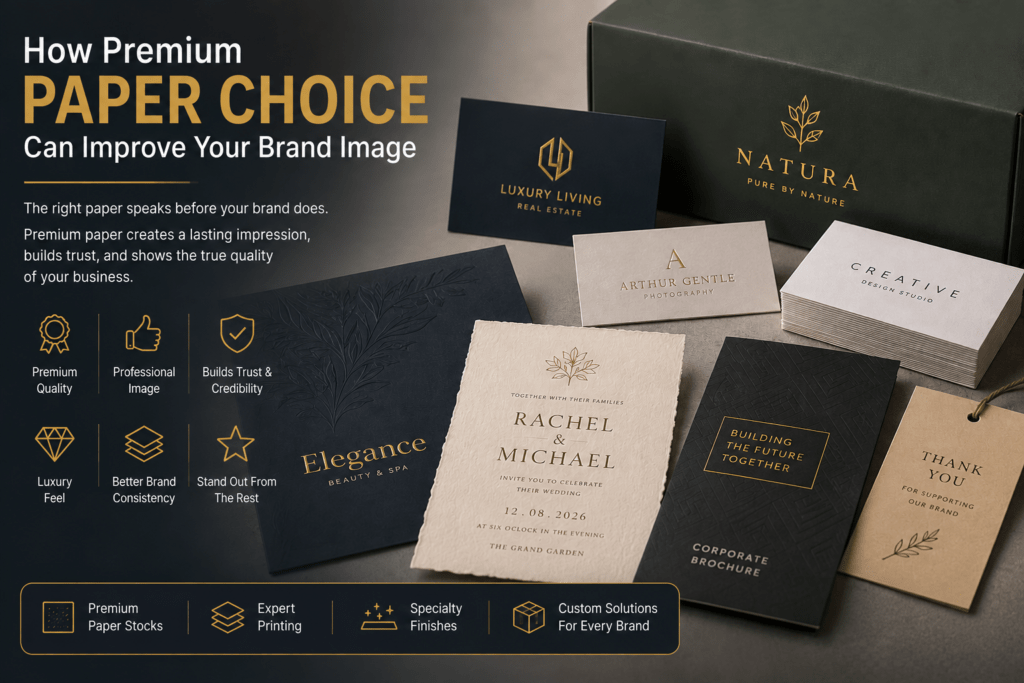
When businesses invest in printed materials, the design is often given the most attention. However, the type of Premium Paper used can be just as important. The texture, thickness, color, and finish of paper can influence how customers perceive a brand. From business cards and brochures to packaging, invitations, and stationery, choosing premium paper can help create a stronger and more professional impression. Why Paper Quality Matters Printed materials are often a physical representation of a business. When a customer holds a business card, opens a brochure, or receives a product package, the material itself becomes part of the overall brand experience. High-quality paper can communicate: The right paper choice can make even a simple design feel more refined and memorable. Creates a Better First Impression First impressions are important in business. A thin or low-quality paper may not create the same impact as a carefully selected premium stock. Thicker, textured, or specialty papers can immediately give printed materials a more professional appearance. Whether it is a business card handed to a potential client or product packaging received by a customer, quality materials can influence how the brand is perceived. Adds a Premium Feel to Printed Materials Premium paper offers more than visual appeal. Different textures and finishes can create a unique physical experience. For example, textured paper can add depth and character, while smooth premium stock can create a clean and modern appearance. This makes premium paper suitable for: Helps Your Brand Stand Out Many businesses use similar designs and printing styles. Choosing a distinctive paper stock can help make your materials more memorable. Unique textures, colors, and finishes can create a visual and tactile difference that customers notice. Premium materials can be particularly effective for businesses that want to communicate creativity, luxury, craftsmanship, or high quality. Supports Better Brand Consistency Every printed material connected to a business contributes to its overall identity. Using carefully selected paper across business cards, stationery, packaging, and marketing materials can help create a more consistent brand experience. When colors, typography, design, and materials work together, the result can feel more professional and recognizable. Works Well With Premium Printing Finishes Paper selection can also affect the final appearance of specialty printing techniques. Premium paper stocks can be combined with finishes such as: The combination of quality paper and professional finishing can create printed materials with greater visual and tactile impact. Choosing the Right Paper for Your Project There is no single paper type that works perfectly for every project. The right choice depends on factors such as: A luxury brand may prefer textured or specialty paper, while a modern corporate business may choose a clean and smooth premium stock. Why Choose Professional Printing? Professional printing services can help businesses select the right combination of paper, printing method, colors, and finishing techniques. A professional approach can provide: The right combination can help ensure that the final printed product reflects the quality and personality of the brand. Conclusion Paper is not simply a surface for printing. It is an important part of the overall customer experience. By choosing premium paper for business cards, packaging, stationery, invitations, and marketing materials, businesses can create a more professional and memorable brand image. The right paper, combined with quality printing and finishing, can transform an ordinary printed product into something customers notice, remember, and associate with quality.

Foil Stamping
Uncategorized

How Foil Stamping Can Make Your Printed Materials Stand Out

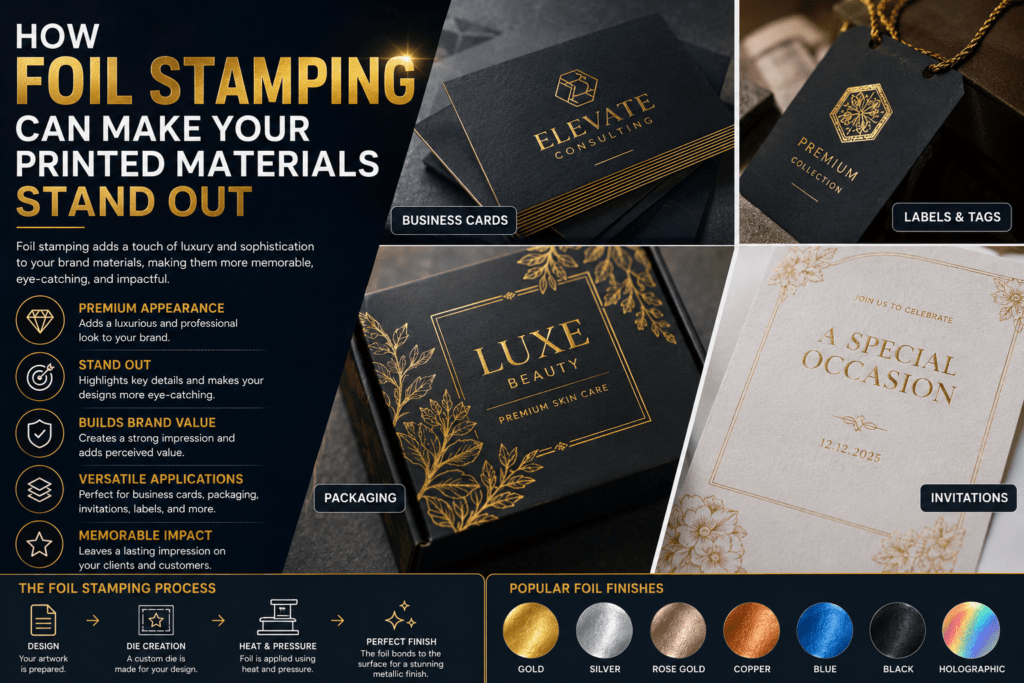
Foil Stamping In a competitive market, the appearance of your printed materials can have a strong impact on how customers perceive your brand. Standard printing can communicate your message, but adding a professional finishing technique can make your materials look more distinctive. Foil stamping is one of the popular specialty printing techniques used to add metallic or colored foil details to business cards, packaging, invitations, labels, stationery, and other printed materials. What Is Foil Stamping? Foil stamping is a finishing process that uses heat and pressure to apply a thin layer of foil onto a printed surface. Gold, silver, copper, rose gold, and other foil finishes can be used to highlight specific parts of a design, such as: The reflective finish can create an eye-catching appearance that standard ink may not provide. Creates a Premium Appearance One of the main reasons businesses choose foil stamping is its premium visual effect. A simple design can look more refined when a carefully selected foil finish is added to important elements. This can be especially useful for brands that want their printed materials to communicate quality and attention to detail. Helps Your Brand Stand Out Printed materials often compete for attention. The reflective appearance of foil can make logos, names, and other important design elements more noticeable. This makes foil particularly useful when you want a printed product to have a strong visual impact. Works Well for Business Cards Business cards are one of the most common applications for premium finishing. Adding foil to a logo, company name, or selected design element can create a more memorable card while keeping the overall design professional. Foil can also be combined with other finishes such as embossing for additional visual and tactile impact. Enhances Product Packaging Packaging is another area where foil stamping can be highly effective. A foil logo or product name can add a premium touch to: This can help create a stronger presentation before the customer even opens the package. Adds Value to Invitations and Stationery Foil stamping is also commonly used for invitations, greeting cards, letterheads, folders, and other stationery. Gold, silver, or colored foil can be used to highlight names, dates, logos, borders, or other important details, creating a more polished appearance. Can Be Combined With Other Finishes Foil does not have to be used alone. It can be combined with techniques such as: Combining different finishes can create more depth and make specific parts of a design stand out. Why Choose Professional Foil Printing? Professional foil printing can help businesses achieve: The right paper, foil color, artwork, and finishing technique are important for achieving the desired result. Conclusion Foil stamping is more than just adding a shiny effect to printed materials. When used correctly, it can help highlight important design elements, improve product presentation, and give branding materials a more premium appearance. From business cards and packaging to invitations and stationery, professional foil printing can turn a simple printed design into something more distinctive and memorable.

Digital Printing vs Offset Printing
Uncategorized

Digital Printing vs Offset Printing: Which One Is Right for Your Business?

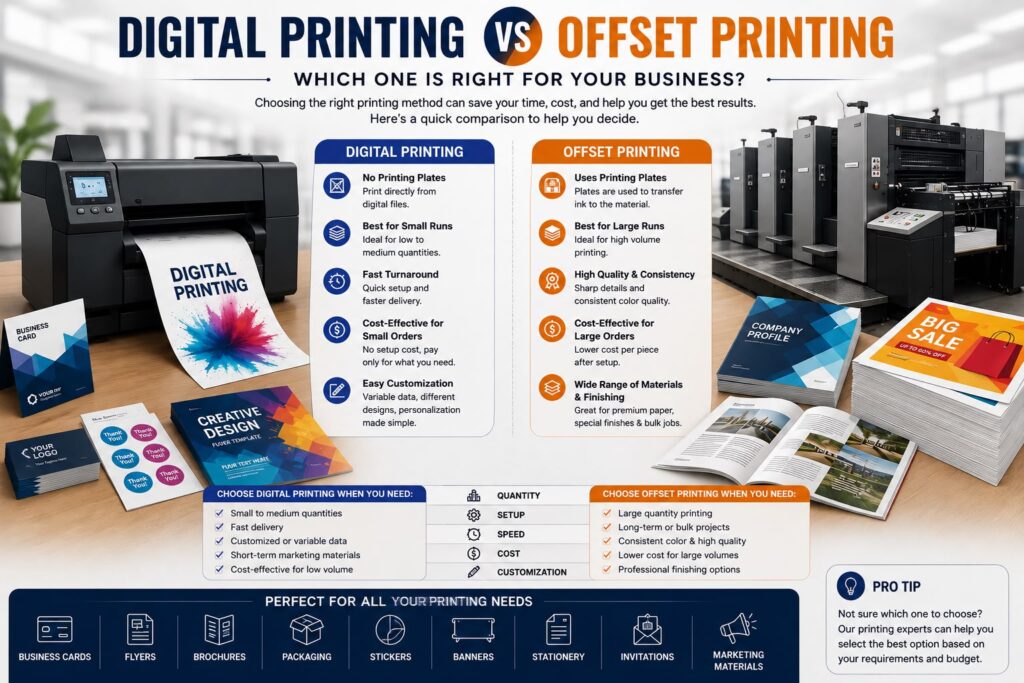
Digital Printing vs Offset Printing choosing the right printing method can make a big difference in the quality, cost, and turnaround time of a project. Businesses often choose between digital printing and offset printing, but the best option depends on factors such as order quantity, design requirements, material, and deadline. Understanding the difference between these two printing methods can help businesses choose a solution that fits their specific needs. What Is Digital Printing? Digital printing transfers a digital design directly onto the printing material. It is commonly used for smaller and medium-sized orders where businesses need flexibility and quick production. Digital printing is suitable for products such as: It is particularly useful when a business needs customized materials without requiring a large production quantity. What Is Offset Printing? Offset printing uses printing plates to transfer an image onto paper or another material. It is generally more suitable for larger print runs where consistent quality and efficient bulk production are important. Offset printing can be used for: Digital Printing vs Offset Printing Both methods have their advantages, but they are designed for different printing requirements. 1.Order Quantity Digital printing is often a practical choice for smaller quantities. Offset printing becomes more economical when producing larger quantities because the setup cost can be distributed across many printed pieces. 2.Printing Speed Digital printing generally requires less setup, making it suitable for projects with shorter deadlines. Offset printing requires preparation before production begins, but it can efficiently handle large-volume orders once the setup is complete. 3.Customization Digital printing provides greater flexibility for customized designs and variable information. For example, businesses can create different versions of marketing materials without changing an entire printing setup. 4.Print Quality Both digital and offset printing can deliver professional-quality results. The right choice depends on the design, material, colors, finishing requirements, and overall project specifications. 5.Cost For smaller orders, digital printing can be more cost-effective because it requires less initial setup. For high-volume projects, offset printing can become more economical per printed piece. Which Printing Method Should You Choose? The best printing method depends on your project. Choose Digital Printing when you need: Choose Offset Printing when you need: Professional Printing Makes a Difference Selecting the right printing method is only one part of achieving a high-quality result. The paper or material, colors, finishing, artwork, size, and final design can also influence how the finished product looks. Professional printing support can help businesses choose the appropriate combination based on their project requirements. Printing for Branding and Business Growth Printed materials are still an important part of business branding. From business cards and brochures to packaging, stickers, stationery, and promotional materials, consistent print design can help businesses maintain a recognizable identity. Trader’s Junction offers printing and branding solutions covering these areas, including business cards, flyers, brochures, packaging, invitation cards, banners, stickers, stationery, and other customized products. Conclusion There is no single printing method that is perfect for every project. Digital printing is a strong option for flexible, customized, and smaller print orders, while offset printing can be more suitable for high-volume production. Understanding your quantity, deadline, budget, material, and design requirements can help you select the right printing solution and achieve better results.

Professional Letterhead
Uncategorized

Why Professional Letterhead Printing Is Important for Businesses

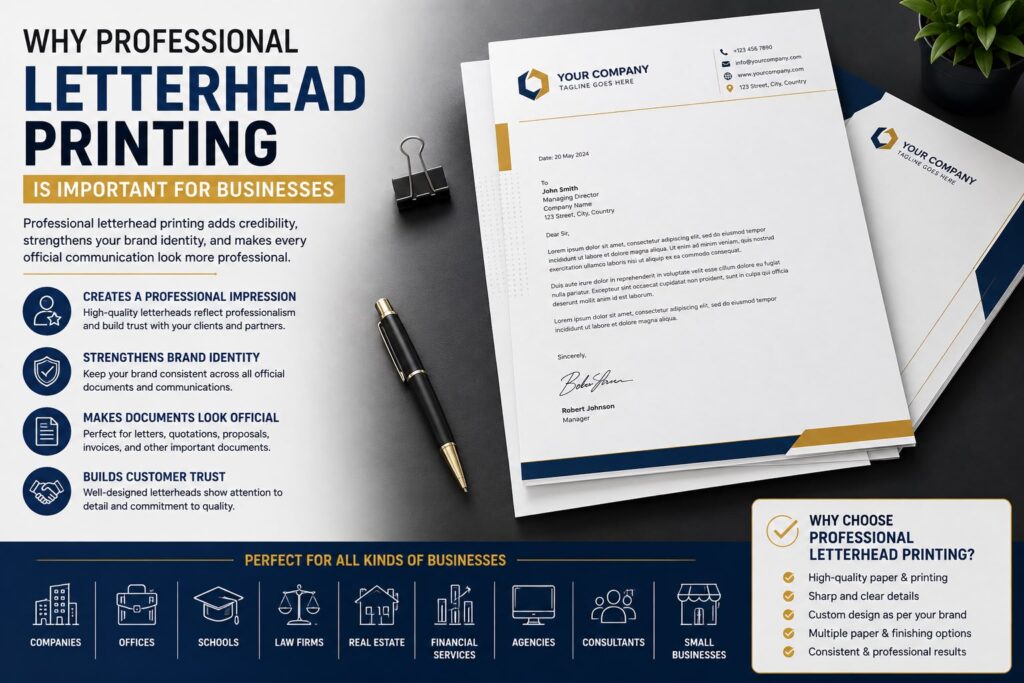
Why Professional Letterhead Printing Is Important for Businesses Every business needs to communicate professionally. Whether you are sending a quotation, business proposal, official letter, invoice, or important document, the way your communication looks can influence how customers and business partners perceive your company. Professional letterhead printing adds your brand identity to everyday business communication and helps create a consistent, trustworthy appearance. What Is a Business Letterhead? A business Professional Letterhead is a printed or digital document header that usually contains important company details such as: It can be customized according to the company’s branding and communication requirements. Creates a Professional First Impression Professional documents can make a business appear more organized and established. A well-designed letterhead gives official communication a polished appearance and can help build confidence among customers, clients, and business partners. Strengthens Brand Identity Professional Letterhead provides another opportunity to display your brand consistently. Using the same logo, colors, typography, and design style across your business documents helps customers recognize your company more easily. Makes Business Documents Look Official A professionally printed letterhead can make important documents look more formal and authentic. It can be used for: This makes letterhead particularly useful for businesses that regularly deal with professional documentation. Improves Brand Consistency Brand consistency is important for building recognition. When your letterheads, business cards, envelopes, packaging, and other materials follow a similar visual style, your business presents a more unified brand image. Builds Customer Trust Professional presentation can influence how customers perceive a company. Clear information, quality paper, and professional printing can help communicate attention to detail and reliability. Suitable for Different Businesses Professional letterhead printing can be useful for: Each business can customize its letterhead according to its needs. Why Choose Professional Letterhead Printing? Professional printing can provide: Quality printing helps ensure that every document represents your business properly. Conclusion Professional letterhead is a simple but valuable part of business branding. It helps companies create a professional appearance, strengthen brand recognition, and make their everyday communication look more official. Investing in quality letterhead printing can help businesses maintain a consistent visual identity across their important documents and customer communications.

Professional Packaging
Uncategorized

Why Professional Packaging Boxes Are Important for Businesses

Professional Packaging is one of the first things customers notice when they receive a product. A well-designed and professionally printed packaging box can protect the product while also creating a strong impression of the brand. For businesses, custom packaging boxes are an effective way to combine product protection, presentation, and branding in one solution. What Are Custom Packaging Boxes? Custom packaging boxes are boxes designed according to a business’s specific product and branding requirements. They can include the company logo, colors, product information, patterns, and other design elements for Professional Packaging. Businesses can choose different sizes, shapes, materials, and printing styles according to their products. Protects Products During Handling One of the main purposes of packaging is to protect products from damage during storage, transportation, and delivery. Strong and properly sized boxes can provide better protection and help products reach customers in good condition. Creates a Professional Appearance A professionally printed box can make a product look more premium and trustworthy. Instead of receiving a product in plain packaging, customers see a package that represents the business and its attention to detail. Strengthens Brand Recognition Custom boxes provide another opportunity to display your brand. Using consistent: can help customers recognize your products more easily. Improves the Unboxing Experience Packaging can make the process of receiving a product more memorable. A clean design, quality printing, and well-organized packaging can create a positive unboxing experience and encourage customers to remember and recommend the brand. Helps Products Stand Out In competitive markets, attractive packaging can help products get noticed. Unique box designs, professional printing, and creative finishing can give your products a distinctive appearance compared with competitors. Ideal for Different Businesses Custom packaging boxes can be used by: The box can be customized according to the product’s size and requirements. Why Choose Professional Packaging Box Printing? Professional printing can provide: These features help businesses create packaging that looks professional while serving its practical purpose. Conclusion Professional packaging boxes are more than containers for products. They help protect items, improve presentation, strengthen brand recognition, and create a better customer experience. With the right design and high-quality printing, custom packaging can become an important part of your business branding strategy.

Scroll to Top